
Introduction
Juvenile justice law plays a vital role in protecting children who come into contact with the legal system. Unlike adult criminal law, juvenile justice focuses on care, protection, rehabilitation, and the child’s best interests. The law recognizes that children are still developing emotionally and mentally, and therefore need guidance, support, and opportunities for reform rather than harsh punishment. A child-friendly legal system helps ensure fairness while protecting dignity and future opportunities.
Protection of Child Rights
Juvenile justice law safeguards the fundamental rights of children during legal proceedings. It ensures that minors are treated with dignity, given legal representation, and protected from abuse, coercion, or unfair treatment. This legal framework helps create a safer environment for children involved in sensitive situations.
Child-Friendly Legal Procedures
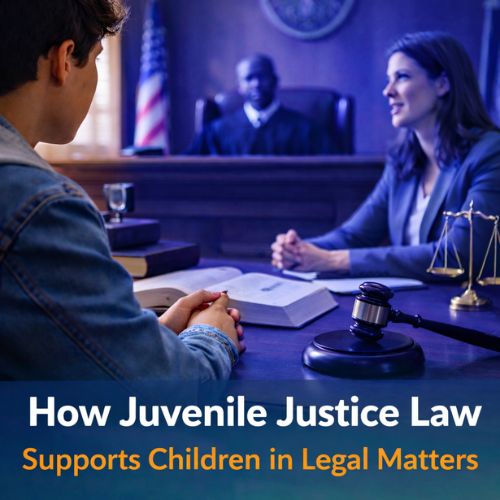
The law provides special procedures that are designed to reduce fear and trauma for children. Hearings are conducted before juvenile authorities in a more supportive setting. These procedures aim to make children feel heard, respected, and protected throughout the legal process.
Focus on Rehabilitation Instead of Punishment
A major strength of juvenile justice law is its focus on reform and rehabilitation. Instead of severe punishment, the system encourages counselling, education, skill development, and behavioural support. This approach helps children learn from mistakes and build a better future.
Support in Cases of Abuse or Neglect
Juvenile justice law also protects children who are victims of abuse, neglect, abandonment, or unsafe living conditions. Legal mechanisms allow authorities to place children in safe environments, provide shelter, and ensure their well-being.
Access to Legal Representation
Children and their families often need professional legal guidance to understand procedures and protect their rights. Proper legal support helps in filing applications, preparing documents, and representing the child effectively before relevant authorities.
Conclusion
In conclusion, juvenile justice law is not only about resolving legal issues but also about protecting childhood, dignity, and future opportunities. By focusing on care, support, and rehabilitation, it ensures that children receive the protection they need during difficult times and are given a fair chance at a better future.